The Aotearoa Chronicles: Making a New Zealand Storybook a Treasured Family Keepsake
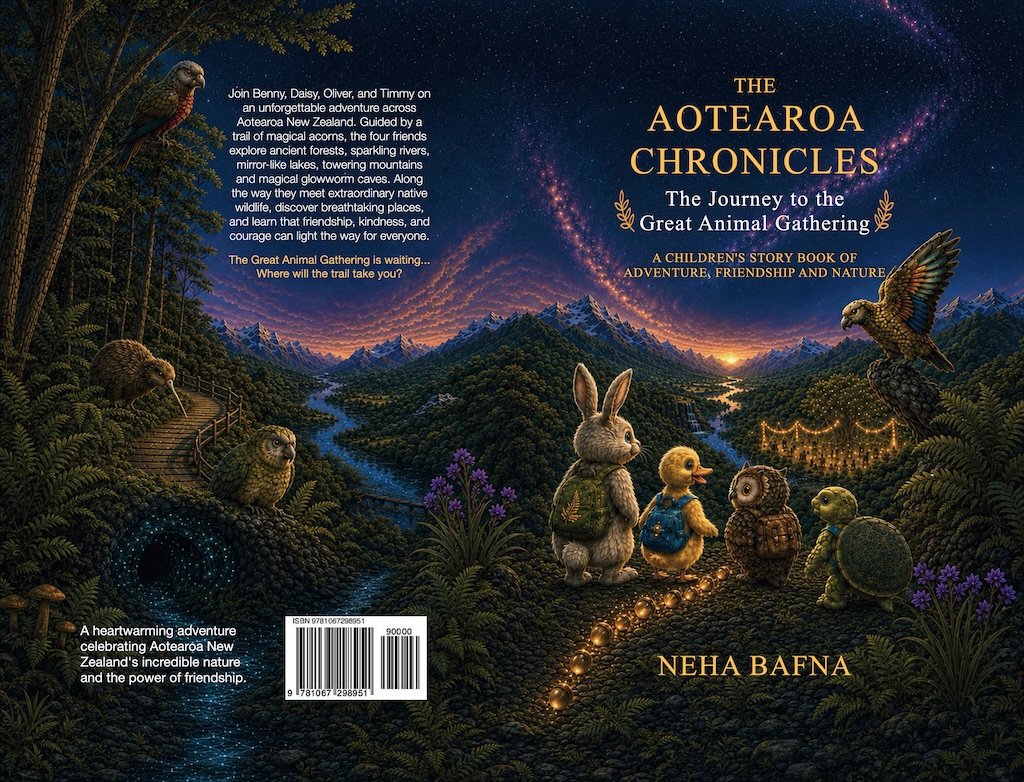
One of a child’s most treasured keepsakes is frequently something they can enjoy using. A gift might capture interest as soon as the wrapping comes off, while a storybook offers another opportunity for enjoyment with every reading. The story’s characters gradually become familiar, some pages invite readers to return repeatedly, and the experience gradually becomes connected with the person who first shared the book.
When families are considering The Aotearoa Chronicles, that sense of connection can guide their decision. Rather than picking a storybook only because of its New Zealand connection, think about the reading experiences it could support. An Aotearoa-inspired animal adventure could find a place in a family’s evening reading routine, a lasting reminder of travelling together or a thoughtful introduction to somewhere a child has never been.
The most meaningful choice depends on the reader. Their personal interests, preferred reading experiences and opportunities to share stories carry greater weight than a broad claim that any single title suits everyone.
Consider the child’s preferences first, followed by the destination
A destination-related connection may make a gift feel more thoughtful, but it rarely carries the whole experience. Children usually return to books because something within them holds their attention. It may be a character from the animal world, a journey to somewhere that sparks curiosity or the enjoyment of following the story to see what happens.
In The Aotearoa Chronicles, four animal companions set off on a journey to attend a gathering. This friendship-centred adventure offers a helpful basis for comparison for adults choosing between different kinds of presents. A child who enjoys imagining animals talking and exploring together may enjoy a different reading experience from a child interested mainly in factual books about equipment or space.
Consider which books the child naturally selects on their own. Are they particularly interested in studying pictures, ask questions about characters or take pleasure in anticipating the next part of the adventure? Such reading behaviours can reveal what kind of story may suit them without basing the entire choice on an age recommendation alone.
The association with New Zealand can then bring additional meaning. It may relate to family origins, a previous holiday or a child’s curiosity about a faraway destination. The most suitable choice brings together this personal significance and the child’s existing interests.
Travelling towards a shared destination builds anticipation
Journey stories offer a clear thread: the characters begin travelling, explore unfamiliar surroundings and gradually approach their destination. Such a straightforward structure can create opportunities for shared participation while allowing the story to flow without constant interruptions.
The journey to the Great Animal Gathering in The Aotearoa Chronicles provides readers with a clear destination to remember. A grown-up could stop briefly at a suitable moment and invite the child to imagine what the gathering might look like. The answer need not be correct to make the exchange worthwhile.
Predictions also give children room to change their minds. A reader may begin with one idea, notice a detail and develop another possibility. This approach can encourage children to engage actively with the narrative while still allowing them to enjoy the story as it unfolds.
Even so, involvement should always be encouraged rather than required. Certain children enjoy listening without interruption when hearing a story for the first time and share their thoughts after reaching the end. Other children prefer offering their thoughts as the story progresses. Following their response helps the book feel welcoming rather than like a task.
Keep the first reading enjoyable and free from unnecessary pressure
A child’s initial experience with a storybook need not involve reading the entire story. A child could remain interested in looking at the cover for several minutes, ask about the title or show special interest in an individual illustration. Those responses are part of getting acquainted with a story.
Select a time that allows the child to explore their curiosity comfortably. Trying to read when it is nearly time to leave home may make it difficult to follow the child’s pace. A peaceful afternoon or a calm evening may give the story time to unfold at a comfortable pace.
First, give the child room to identify what appeals to them. Instead of offering explanations about the whole story beforehand, leave room for discovery. Read the opening and watch for signs of engagement, whether that means questions, laughter, close attention or a request to look again.
When the child begins losing interest, it is perfectly reasonable to pause at an appropriate moment. Children can develop familiarity with a story across a number of brief readings. Completing the story in one sitting matters less than making reading something the child enjoys returning to.
Use an imagined adventure to encourage observations about the real world
A story inspired by New Zealand can encourage curiosity about its setting, but fiction and factual explanation serve different purposes. Conversations between animal companions exist within the world of imagination. The appearance of those animals should not be treated as evidence that they are native to the setting.
Recognising this difference offers adults an opportunity to build on the story. After enjoying the adventure, a family might explore a separate question concerning birds, woodland environments or rivers and other waterways using an appropriate factual resource. The fictional journey encourages curiosity, and separate learning provides the supporting information.
There is no need to turn every scene into a lesson. Sometimes young readers are content to enjoy following the characters. At other times, a passing question can open a conversation exploring the connection between the imagined environment and real places.
Aotearoa carries cultural importance that goes further than its appearance in a fictional story. Adults can approach that meaning with care, selecting trustworthy information when young readers want to understand more. A fictional journey can provide the starting point for curiosity without carrying the responsibility of describing a whole country in detail.
Connect the book with the family’s personal experiences
A keepsake becomes more personal when there is a reason behind its selection. That reason might be straightforward: the giver remembered a child’s love of animals, wanted to mark a shared holiday or hoped to introduce a place important to the family.
A short handwritten message inside the book can preserve that connection. It may refer to an outing they enjoyed together, the celebration that inspired the present or the hope that storybooks will bring the young reader many enjoyable journeys. Personal recollections often carry greater significance than a vague message about selecting a thoughtful gift.
When a young reader is given the storybook following a trip to New Zealand, reading may create opportunities to recall experiences from the trip. They could think back to a path through the trees or an occasion when they watched birdlife. Such connections arise from the memories the family created, rather than needing to match the fictional events exactly.
A young reader who has not travelled there may develop another kind of association. The book may represent someone thinking carefully about their interests and selected an adventure they could enjoy together.
Think about repeated reading before choosing a gift
Choosing a present frequently involves focusing on the excitement of unwrapping it. For storybooks, considering future reading sessions can be just as valuable. Who might read with the child? Where might the storybook have a permanent place? Might the book naturally fit into a routine the family already follows?
Parents and relatives comparing the best New Zealand gifts for kids may find that these practical questions clarify their choices. A book can create more occasions for shared enjoyment if the child likes stories or an adult is happy to read together frequently. Repeated shared reading can add to its personal significance.
Different readings can have different rhythms. The first may follow the adventure closely. A later session might focus on a favourite companion or an illustration the child previously overlooked. Another may involve the child retelling a familiar part in their own words.
Repetition does not require adults to invent a new activity every time. The comfort of knowing a story can be satisfying in itself. Often, sharing another attentive reading of the familiar book is all that is needed.
Encourage conversations about friendship with open-ended questions
A story featuring a group of travelling companions may encourage discussions about travelling together, noticing others and working towards a shared goal. These discussions may work especially well when the young reader notices the underlying ideas without prompting.
Instead of expecting one fixed lesson from the story, consider questions based on observations the young reader has already made. Which of the characters would they choose to travel alongside? Which things might make travelling Best New Zealand souvenirs for kids – The Aotearoa Chronicles with friends pleasant? What could be difficult when several characters want different things?
Questions like these encourage children to relate the adventure to situations they recognise. One may think about sharing decisions with a sibling. Someone else might recall inviting a friend to take part in a game. The conversation can follow those connections while recognising that the book does not necessarily portray those particular situations.
Avoid supplying every answer before the child has time to respond. A pause may lead to an unexpected observation. If the child wants to continue listening instead, that preference is worth respecting. A child can appreciate the adventure without exploring every underlying idea.
Select a keepsake by considering how it will be used
While considering the best New Zealand souvenirs for kids, think about how children might interact with each keepsake once the journey is over. Certain mementoes are intended primarily as decorative objects. Others support play, practical use or shared activities. A book invites reading and conversation.
This makes The Aotearoa Chronicles an option to think about when choosing for a child who likes animal characters and illustrated journeys. The story’s association with Aotearoa may create a lasting connection to the destination, while the journey offers a reason to open it beyond the original occasion.
Practical suitability still matters. Prior to buying a book, review its physical presentation and accessible sample material whenever possible. Think about whether the text length, illustrations and general presentation suit the child. These details should be checked rather than assumed.
A thoughtful keepsake does not have to capture every aspect of the place it represents. Sometimes one clear connection is enough: a natural setting that inspired the child’s curiosity, a moment remembered from a family journey or an interest they want to explore further.
Understand “best” in terms of the individual reader
People searching for the best children’s books in New Zealand often have different needs and expectations. One adult may want an independent reading challenge. Another adult may prioritise an illustrated book that works well when read aloud. A different giver may focus on finding a book that commemorates a shared occasion.
Because these priorities vary, they call for different ways of assessing a book. When assessing The Aotearoa Chronicles, its travelling animal companions, common destination and geographical inspiration provide useful considerations. Such elements give readers a more practical way to assess suitability rather than assuming that a popular search term establishes an official position.
Available descriptions and sample material can help establish whether the storytelling appeals to the recipient. If the decision depends on age suitability, edition information or the publication format, verify it before making a decision.
Another consideration is the difference between the giver’s interests and the reader’s preferences. A giver may love the destination connection, whereas the child may be interested mainly in the animal characters. A successful choice can accommodate both while allowing each person to enjoy different aspects of the experience.
Allow the story to continue through simple activities
A book can remain part of family life without elaborate projects. After reading, a child might draw a gathering of their own, invent a new animal friend or explain what they would pack for a journey of their own imagination.
These ideas are particularly suitable when they connect with the young reader’s interests. For children who like making pictures, having drawing paper available may be helpful. For children who enjoy creating narratives, offer attention as they imagine another part of the adventure. Adults do not have to adjust each small detail or reproduce the book closely.
Everyday experiences outside the home can also inspire new links to the adventure. A path through trees or a quiet pond may bring back the enjoyment of discovering places in a fictional world. The comparison can remain playful.
Not every shared reading experience needs an additional activity. Sometimes closing the book and enjoying a quiet moment together is enough. The intention is to give young readers the freedom to find their own meaning in the story.
Conclusion
The Aotearoa Chronicles offers a starting point for families seeking an animal adventure with a New Zealand connection. Its suitability as a present or keepsake depends on the reader’s interests and the reading experiences that develop over time. Choose with the child in mind, create an opportunity to enjoy the first reading without rushing and allow familiar pages to earn their place over time. A thoughtfully selected book can preserve the pleasure of a fictional adventure alongside the memories of reading together.